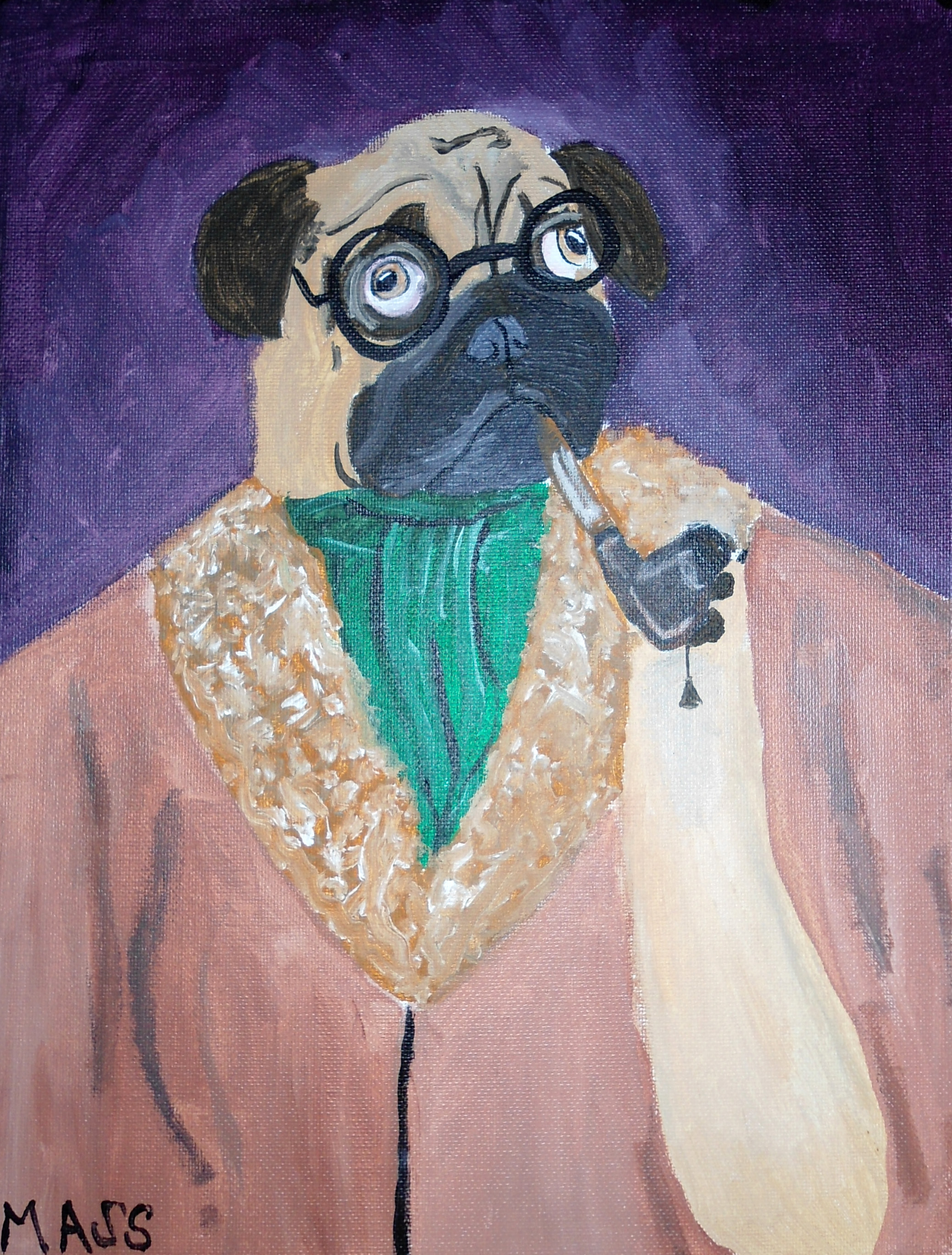
Found and available at http://massthegirl.com/
Found and available at http://massthegirl.com/
 Lately, I have been studying the connections between the early work of Heidegger and the later work of Wittgenstein. One of the most fascinating issues involved is the ordinary way that we act when we are “in the flow”, conscious of an action but not self-conscious or critically thinking. How much must we conceptualize ourselves or our actions in order to act? This is the issue debated between Hubert L. Dreyfus, who taught me Heidegger at Berkeley, John McDowell and others in the book Mind, Reason, and Being-in-the-World (2013).
 One example featured in the debate is Chuck Knoblauch, a famed second-baseman who began to have problems throwing to first to get runners out because he was over-thinking his throws. As Lee Braver points out, there seems to be an antagonistic relationship between conceptual thought and skillful action, such that thinking can interrupt action.
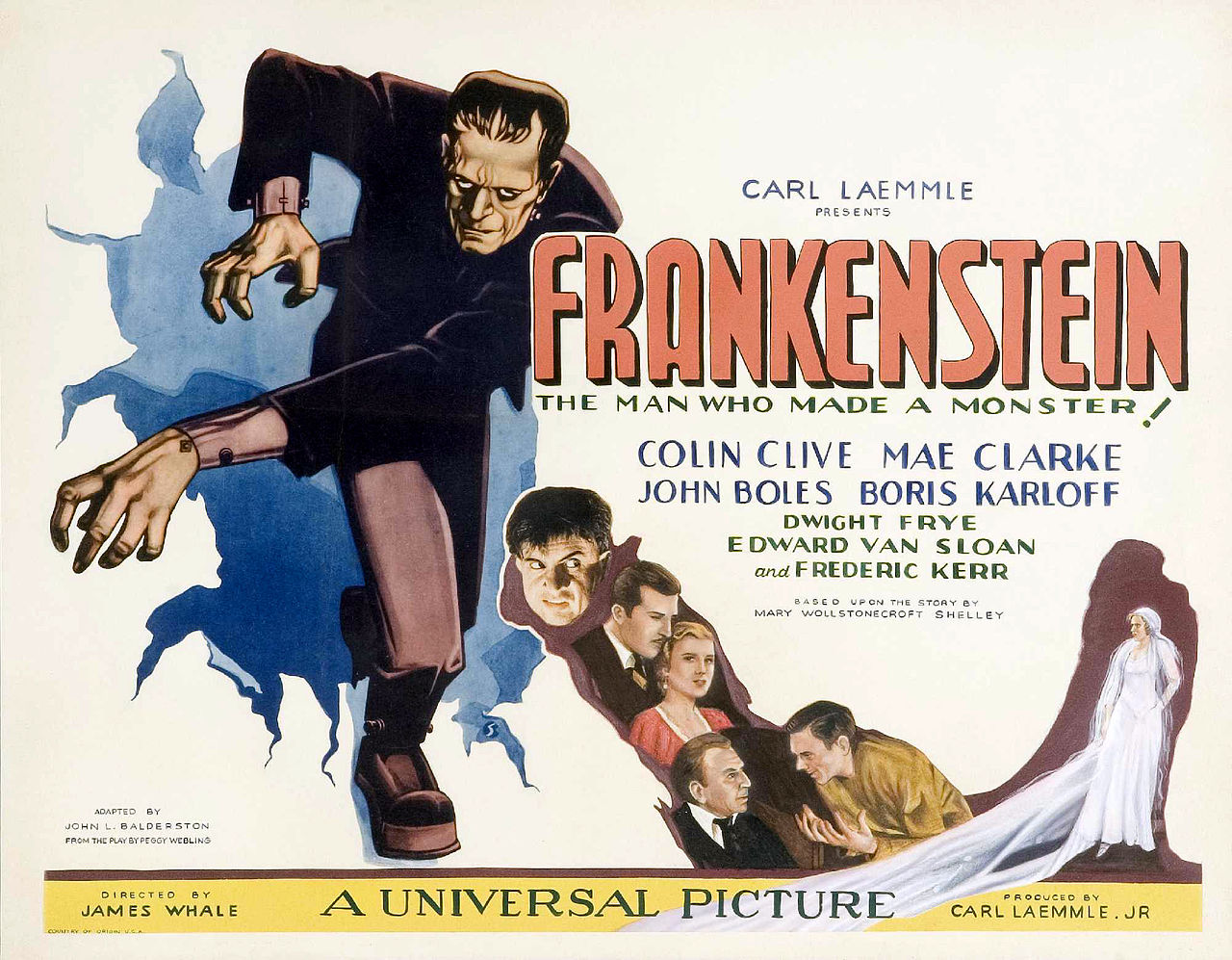 In his book Groundless Grounds (2012), Braver says that if we think about walking as we walk, we walk like Frankenstein. Zhuangzi, my favorite Chinese philosopher and the second patriarch of Daoism, said that if the centipede stops to figure out how he coordinates all of its legs, it would fall all over itself. That said, how much is thought or conceptions involved when we are consciously acting but “in the flow”?
 Dreyfus, following Heidegger, Sartre and Merleau-Ponty, argues that in absorbed action, we do not have a conception of ourselves or reasons for why we are acting. Sartre said that when he runs to catch the streetcar, there is no ego. We could also say that when Sartre is focused entirely on catching the streetcar, he also is not thinking of reasons as to why he is catching it, such as getting to Cafe de Flore to sip espresso and chain smoke. Merleau-Ponty, friend of Sartre, said that when we are absorbed we act in a “field of forces”, reacting to threats and opportunities without thought.
 Against Dreyfus and very much in accord with Kant, McDowell argues that for an act to be intentional, it must be done consciously, and this requires that it be conceptual. McDowell would say that Sartre must conceptualize himself, the streetcar, and that his purpose is to catch it in order for his dashing towards it to be an intentional act, different from the way one’s leg jerks when we are struck in the knee by a doctor. The question is, if Sartre sees the streetcar as an opportunity, or Knoblauch sees the runner as a threat, how much must they conceive of things in addition to perceiving them? It is difficult, and hence the Dreyfus-McDowell debate, because our perceptions and conceptions are so intertwined in so many complex ways.
 Lee Braver has offered what I think is a brilliant architectural metaphor that could reframe the debate, leading to new insights and solutions. In his later work, Wittgenstein presented philosophy and math as extensions of embodied physical action. Heidegger wants us to see that we do philosophy like we use a hammer, as we respond intuitively and immediately to words as we do to arguments. McDowell says that all is conceptual, which Dreyfus criticizes as upper floor abstract aristocrats all the way down. Dreyfus says there is a basement beneath the upper floors where absorbed servants toil, but the two are disconnected. Braver says that we can go with a third plan, that it is basement servants all the way up (as opposed to turtles all the way down). We get rid of the class distinction between the aristocrats on the upper floor and the servants in the basement. This gets rid of Dreyfus’ gap but reverses the direction of McDowell.
What do you think? In what ways are action and thought interrelated or opposed to each other?
Nietzsche, the great mustachioed one, said that if we want to be great individual, revolutionary thinkers, we each must take an individual stand between the twin dangers of morality and nihilism.
Morality, the dogmatism, laws, traditions, and rules of the cultures that surround us, can prevent us from thinking critically and improving ourselves and our culture. However, if we question everything, this can lead to excessive skepticism and doubt, nihilism, such that we believe in nothing and do not have the courage and passion to take an individual stand and create new meaning and truth.
In Thus Spoke Zarathustra, Nietzsche uses the symbol of the tightrope walker to stand for the individual who balances between opposite sides. We must have the courage to learn from the morals, rules and dogmas, as well as question them freely and critically, taking from them what we each individually choose for ourselves. We can each use dogmatism and skepticism as we want to to create new truth and meaning, transforming the old. This became central to Existentialism, and then later Poststructuralism and Postmodernism.
All new thinking is dangerous and risky, but if we are afraid to think for ourselves, we do not take the risk that could pay off and be revolutionary. The history of religion, law, philosophy and science is made by great individuals who take the leaps that inspire everyone else. Those who think outside the box are the ones who get to change the box.
Nietzsche inspired other great thinkers to question reality. Heidegger said we can be boxed up by our use of time and technology. Sartre said we can be boxed up by social roles and social class. Fanon said that we can be boxed up by racism, institutional and internalized. Foucault said we can be boxed up by institutions that divide the normal from the abnormal, the criminal from the legal, and the sane from the insane.
By learning from these skeptical thinkers, we do not get a recipe or rulebook as to how we should be great individuals or what we should choose to do. Instead, we see how we are boxed up, so that we can think outside the box and about the box, to choose how to think and how to live.
 Thought Itself