

 A few years ago, I saw and giggled a bit over a piece done by the humor site the Onion about an existentialist firefighter who muses that, in saving three lives, he was merely postponing the inevitable, as death will come for us all:
http://www.theonion.com/articles/existentialist-firefighter-delays-3-deaths,17500/
At the time, I was amused, but when the piece popped up again yesterday when a friend posted it, I realized that it, misrepresents existentialism as a sad, depressed philosophy obsessed with despair and death, as many have done. In the very beginning of the piece, the firefighter says:
“Like any other man, I am thrown into this world, alone and terrified, to play a meaningless role in an empty life.”
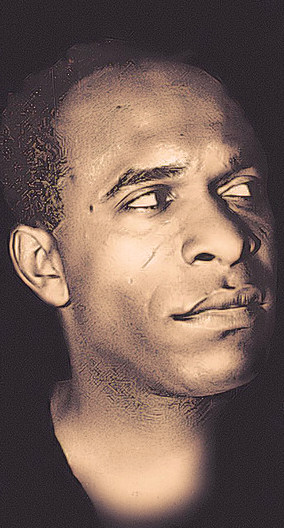 Kierkegaard, Nietzsche, Heidegger, Sartre and Fanon did argue that we are thrown into the world, that this is terrifying, and that life can seem meaningless, but also that life is only terrifying and meaningless if we do not have the courage to give our lives meaning, to take responsibility as individuals to grow and discover even if we do not see any final end or justification to the process. This fictional firefighter is actually talking like a nihilist, not an existentialist, speaking like an existentialist who has given up. I have a video about Nietzsche that explains why existentialism is not nihilism I made a few months back that explains further:
Anyone familiar with the famous debate knows that one of the key differences between the two thinkers is that Chomsky asserts that there is something that is human nature, though he admits it is hard to define, and that there is something like a just society, while Foucault argues that there is no definition of human nature without institutions imposing their power on others, and that no society can be completely free or just.
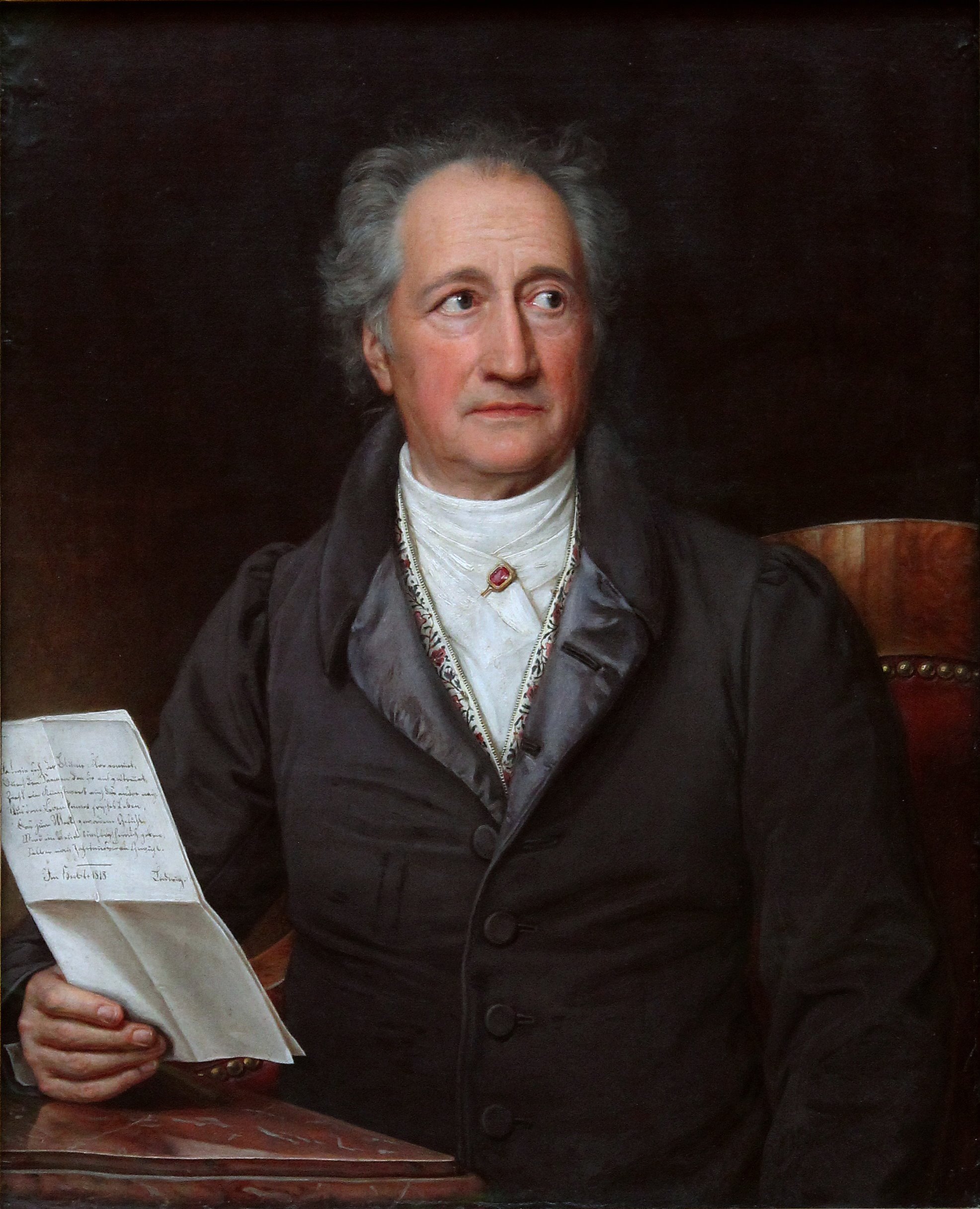 In his novel The Sorrows of Young Werther (1774), Goethe wrote, “misunderstandings and neglect create more confusion in this world than trickery and malice”. Later, after many similar quotations from others, this was shortened and labeled Hanlon’s Razor:
Never attribute to malice that which is adequately explained by stupidity.
Often, what we think are sinister, organized conspiracies are nothing more than human beings afraid of losing their power and privilege and acting without much long term thinking or planning. Sadly, we can see countless examples of this throughout history and across all cultures.

You can trace the weaving of a cloth, but not human thought.

 Thought Itself